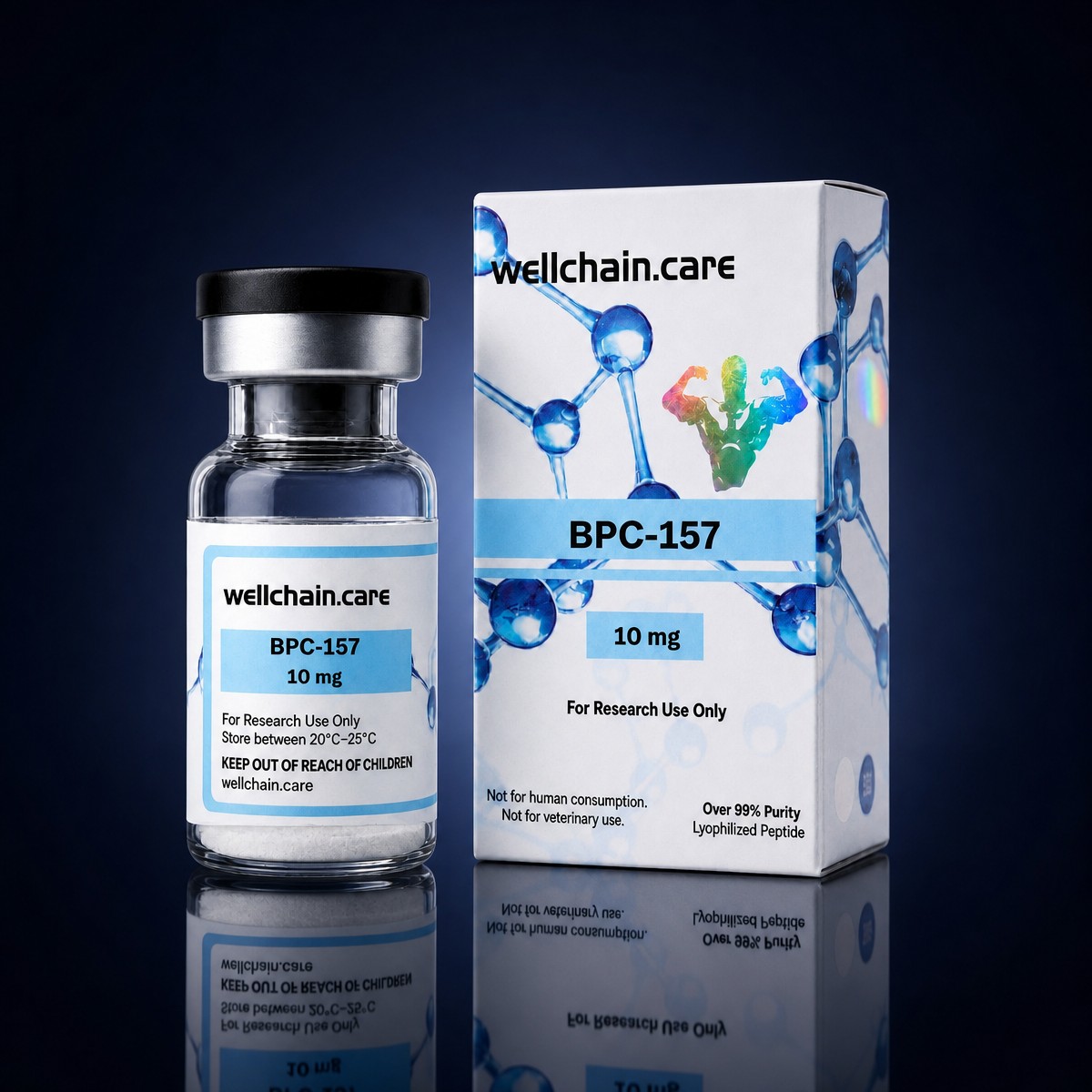
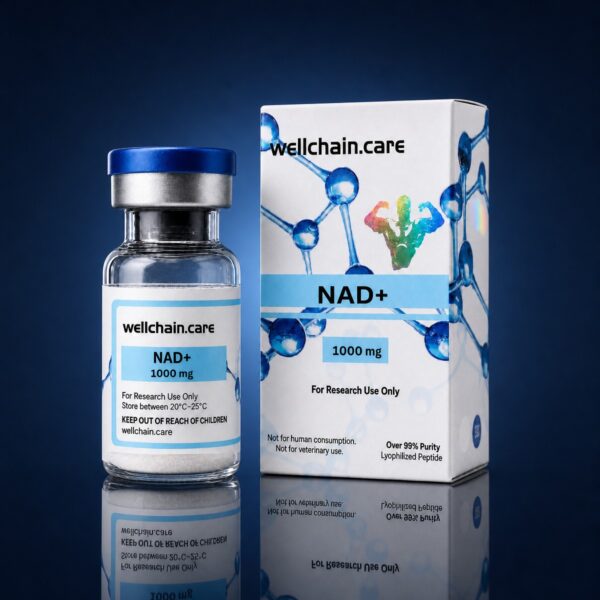
BPC-157 10mg

BPC-157 10mg

฿1,750.00

BPC-157 10mg – synthetic pentadecapeptide (CAS 137525-51-0, MW 1,419.53 g/mol) studied in preclinical research for tissue regeneration, angiogenesis, and wound healing. ≥99% purity. For research use only.

BPC-157 (Body Protection Compound-157) is a synthetic pentadecapeptide consisting of 15 amino acids. CAS: 137525-51-0 | MW: 1,419.53 g/mol | Formula: C62H98N16O22. One of the most extensively studied compounds in preclinical tissue regeneration science. Supplied as a white lyophilised powder at ≥99% purity (HPLC-verified).

Research Background

BPC-157 was first characterised in gastric cytoprotection research, where scientists identified fragments of the endogenous Body Protection Compound displaying remarkable stability across biological fluids. Over two decades of peer-reviewed animal model studies have explored its behaviour across multiple tissue types including tendon, ligament, muscle, bone, neural, and gastrointestinal tissue. The compound exhibits notable stability in gastric acid, making it a useful model compound for research on orally resistant peptides.

Mechanism of Action & Tissue Regeneration Studies

Laboratory investigations have explored BPC-157’s interactions with growth factor signalling pathways, particularly in angiogenesis and fibroblast activity. In vitro and animal model studies have examined VEGF upregulation, interactions with the nitric oxide (NO) system, and modulation of the FAK-paxillin pathway involved in cell migration and cytoskeletal organisation. Studies in rodent models of gastrointestinal injury, tendon repair, and muscle damage have documented apparent cytoprotective properties and inflammatory mediator modulation.

Half-Life & Stability

BPC-157 exhibits notable stability in gastric acid. Published pharmacokinetic data from animal models suggests a relatively short systemic half-life following parenteral administration, making dosing interval research an active area of investigation.

Storage & Handling

  • Long-term storage: -20°C (lyophilised powder stable for 24+ months)
  • Short-term storage: 2-8°C for up to 4 weeks after reconstitution
  • Reconstitution: Use sterile bacteriostatic water or 0.1% acetic acid
  • Handling: Avoid repeated freeze-thaw cycles; aliquot upon reconstitution; protect from UV exposure

Related Research Compounds

Researchers may also explore TB-500 10mg (Thymosin Beta-4 analogue for angiogenesis and actin regulation), GHK-Cu 50mg (copper-binding tripeptide for wound healing research), and the Glow Blend 70mg multi-peptide formulation.

Frequently Asked Questions

Q: What is BPC-157?

A: BPC-157 is a synthetic 15-amino-acid peptide (CAS 137525-51-0, MW 1,419.53 g/mol) derived from a sequence found in gastric juice. Supplied for in vitro and preclinical research purposes only.

Q: How is BPC-157 typically used in research?

A: Reconstituted in sterile bacteriostatic water and used in cell culture systems or animal models to study tissue repair, angiogenesis, and wound healing mechanisms.

Q: What is the recommended storage for BPC-157?

A: -20°C lyophilised (24+ months). Reconstituted: 2-8°C, use within 4 weeks. Aliquot to avoid repeated freeze-thaw cycles.

Q: What purity and form is BPC-157 supplied in?

A: White lyophilised powder at ≥99% purity (HPLC-verified). 10mg per vial, ready for research reconstitution.

Q: Is BPC-157 for human use?

A: No. BPC-157 is strictly for laboratory research use only. Not intended for human or veterinary use.

For research use only. Not for human or animal consumption. Not a medicinal product.

Purity

Reviews

There are no reviews yet.

Be the first to review “BPC-157 10mg”

Your email address will not be published. Required fields are marked *

Shopping Cart
Scroll to Top