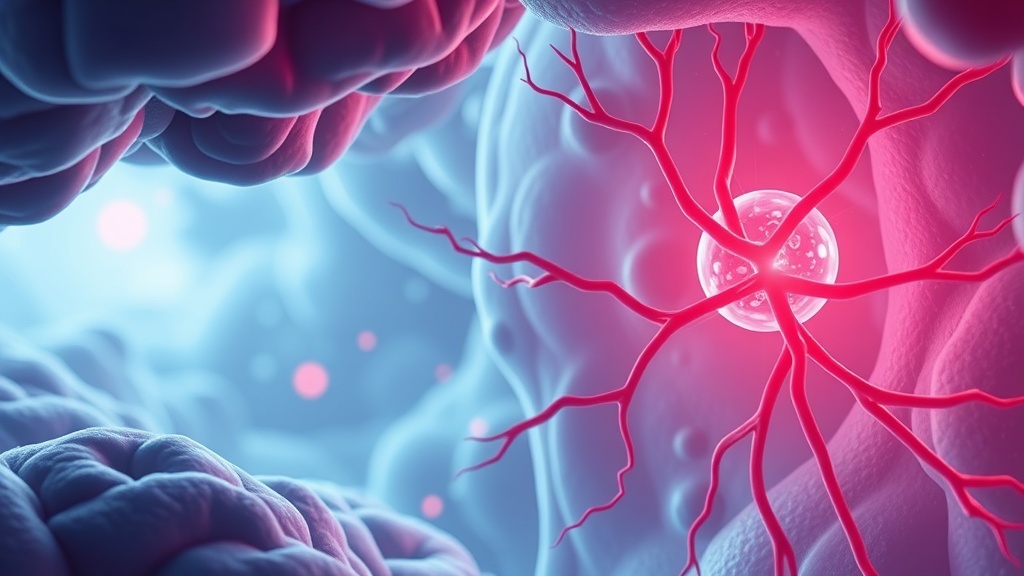
Tissue repair peptides like BPC-157 and TB-500 are synthetic compounds studied for their potential interactions with cellular repair mechanisms, angiogenesis, and tissue regeneration pathways in laboratory research models.
BPC-157: Gastrointestinal and Musculoskeletal Research
BPC-157 is a synthetic pentadecapeptide investigated for potential interactions with growth factor pathways and angiogenesis mechanisms. Laboratory research examines its effects on cellular migration, proliferation, and tissue repair processes in experimental models.
TB-500: Thymosin Beta-4 Research Applications
TB-500 is an active fragment of thymosin beta-4 studied for potential interactions with actin polymerization, cell migration, and wound healing pathways. Research investigates its effects on cytoskeletal dynamics and tissue repair mechanisms.
Angiogenesis Research
Both peptides are investigated for potential angiogenic properties in laboratory settings:
- Endothelial Cell Studies: Examining effects on vascular endothelial growth factor (VEGF) expression
- Tube Formation Assays: Investigating capillary-like structure formation
- Wound Healing Models: Studying tissue repair and regeneration mechanisms
- Inflammatory Pathway Analysis: Evaluating effects on cytokine expression
Cellular Signalling Pathways
Laboratory research focuses on specific cellular pathways:
- Growth Factor Receptor Interactions: Studying EGFR, PDGFR, and VEGFR signalling
- Extracellular Matrix Remodelling: Investigating collagen synthesis and deposition
- Cell Migration Studies: Examining chemotaxis and haptotaxis mechanisms
- Anti-inflammatory Effects: Evaluating cytokine modulation and oxidative stress responses
Research Methodologies
Tissue repair research employs various laboratory techniques:
- Cell culture models of wound healing and angiogenesis
- Animal models of tissue injury and repair
- Molecular biology techniques for gene expression analysis
- Histological examination of tissue regeneration
Research Considerations
Tissue repair research requires appropriate experimental models, careful dose-response evaluations, and consideration of species-specific differences. Studies should adhere to institutional ethical guidelines and tissue research protocols.
For research use only. Not for human consumption.